

Experiencing Blinding Glare While Driving at Night in Metairie? Causes & Solutions
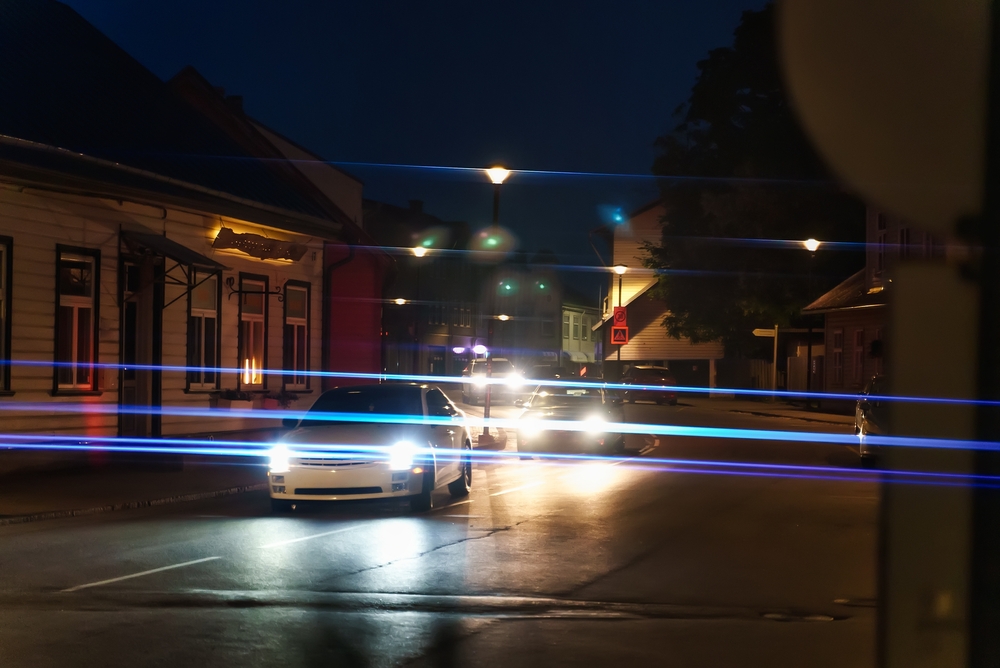
Night driving should not feel like a constant battle against headlights, streetlights, and reflections. If bright lights seem to create halos, starbursts, or blinding glare while you are driving around Metairie, your eyes may be telling you that something needs attention.
At Louisiana Eye Doctors, we evaluate vision and eye health to determine what may be contributing to night driving glare. While occasional glare can happen to anyone, persistent or worsening symptoms should not simply be ignored.
Why Does Night Driving Glare Happen?
Your pupils naturally become larger in low-light conditions to let more light into your eyes. This can make certain vision problems more noticeable at night. Oncoming headlights and other concentrated light sources can then scatter within the eye, making it harder to see clearly.
Common causes of nighttime glare include:
Uncorrected nearsightedness, farsightedness, or astigmatism
An outdated glasses or contact lens prescription
Dry eye that creates an unstable tear film
Cataracts that cause light to scatter inside the eye
Dirty, scratched, or poorly coated eyeglass lenses
Changes in the cornea or other parts of the eye
Because several different conditions can produce similar symptoms, a comprehensive eye exam is often the best way to identify the underlying cause.
Your Prescription May Need an Update
Even small changes in your vision prescription can become much more noticeable when driving at night. Astigmatism, in particular, can contribute to blurred lights, halos, and streaking.
If road signs are becoming harder to read or headlights seem more distracting than they once did, we can check whether your current prescription is still providing the clearest possible distance vision.
For some patients in Metairie, updated prescription lenses with an appropriate anti-reflective coating may also help reduce distracting reflections from the surfaces of their glasses.
Dry Eye Can Make Headlights Look Worse
A healthy tear film creates a smooth optical surface across the front of the eye. When the eyes become dry, that surface can become irregular, causing incoming light to scatter.
Dry eye may cause fluctuating or blurry vision that temporarily improves after blinking. You may also notice burning, irritation, redness, or a gritty sensation.
If dry eye is contributing to your night driving glare, we can evaluate your symptoms and recommend care based on what is causing the tear film instability rather than relying solely on temporary relief.
Cataracts Can Increase Glare and Halos
Cataracts develop when the normally clear lens inside the eye becomes cloudy. As a cataract progresses, it can scatter light and make nighttime driving increasingly difficult.
Some people first notice cataract-related vision changes when headlights begin producing larger halos or when contrast seems reduced on dark roads. Colors may also appear less vivid, and vision can become cloudy or hazy.
A comprehensive eye exam allows us to evaluate the lens as well as other structures that may be affecting your vision.
When Should You Schedule an Eye Exam?
Consider scheduling an eye exam if nighttime glare is becoming more frequent, you are avoiding driving after dark, or your vision has noticeably changed. Sudden vision loss, flashes of light, significant eye pain, or other abrupt symptoms require prompt eye care.
We can determine whether your night driving problems are related to your prescription, dry eye, cataracts, or another eye health concern and discuss appropriate next steps.
If blinding glare is making nighttime driving around Metairie more difficult, schedule an eye exam with Louisiana Eye Doctors in Metairie, LA by calling (504) 465-0444.


© 2026 Louisiana Eye Doctors - All Rights Reserved. Accessibility Statement - Privacy Policy